Men’s Mental Health, and the Importance of Seeking Support
At any one time, it’s believed that one in eight men and one in five women have a common mental health problem, such as depression or anxiety. And statistics compiled by the Men’s Health Forum (February, 2022) reveal that 75% of deaths by suicide are men.
There are many reasons why men struggle with mental health, from work related stress, grief, relationship struggles, financial issues and starting a family. Postnatal depression doesn’t only affect new mothers – new dads can also find it a challenging time.
According to the National Childbirth Trust, 25% of new fathers experience mild depressive episodes and between 10-12% are diagnosed with depression in the first year of fatherhood.
Encouragingly, in the evolving landscape of mental health awareness, things are starting to shift and men are now more likely than ever to seek support for their mental health. For men today, seeking mental health counselling is a transformative step towards improving well-being. Breaking down stigmas and encouraging open conversations is more important than ever.
One of the most impactful avenues for men to address their mental health concerns is through talking therapy. This kind of therapy provides a safe space for men to express their thoughts and feelings without judgement.
Talking therapy has been shown to help with many of the key mental health issues experienced by men, including stress, anxiety, addiction and depression. The key is recognising that support is needed and seeking help before these problems escalate.
It is important to recognise signs that men are struggling and to seek support. For example, substance abuse, anger and irritability, working obsessively, sleep problems and reckless behaviour can all be signs that it would be helpful to speak to someone.
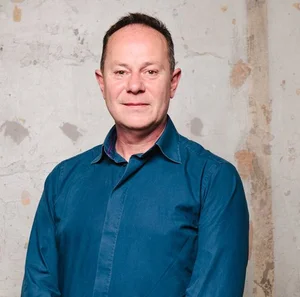
One of our male counsellors, who offers talking therapy to our clients as well as attending weekly sessions himself offers us valuable insight:
“As a man who grew up understanding that we were supposed to be strong physically and mentally, I knew that mental health was something that others suffered from, not me. Then I joined the military and was even more convinced of my own resilience. I was wrong. Circumstances beyond my control led to me seeking help in the form of medicine and talking therapy. I was so helped and changed by the counselling I received that eventually I trained to became a counsellor myself. There is strength in reaching out for help. There is wisdom in talking to a professional who can help you through your darkest hours. Whatever your circumstance, we are here to listen and to never judge.”